
Chalice Hill
One of the legendary Isles of Avalon

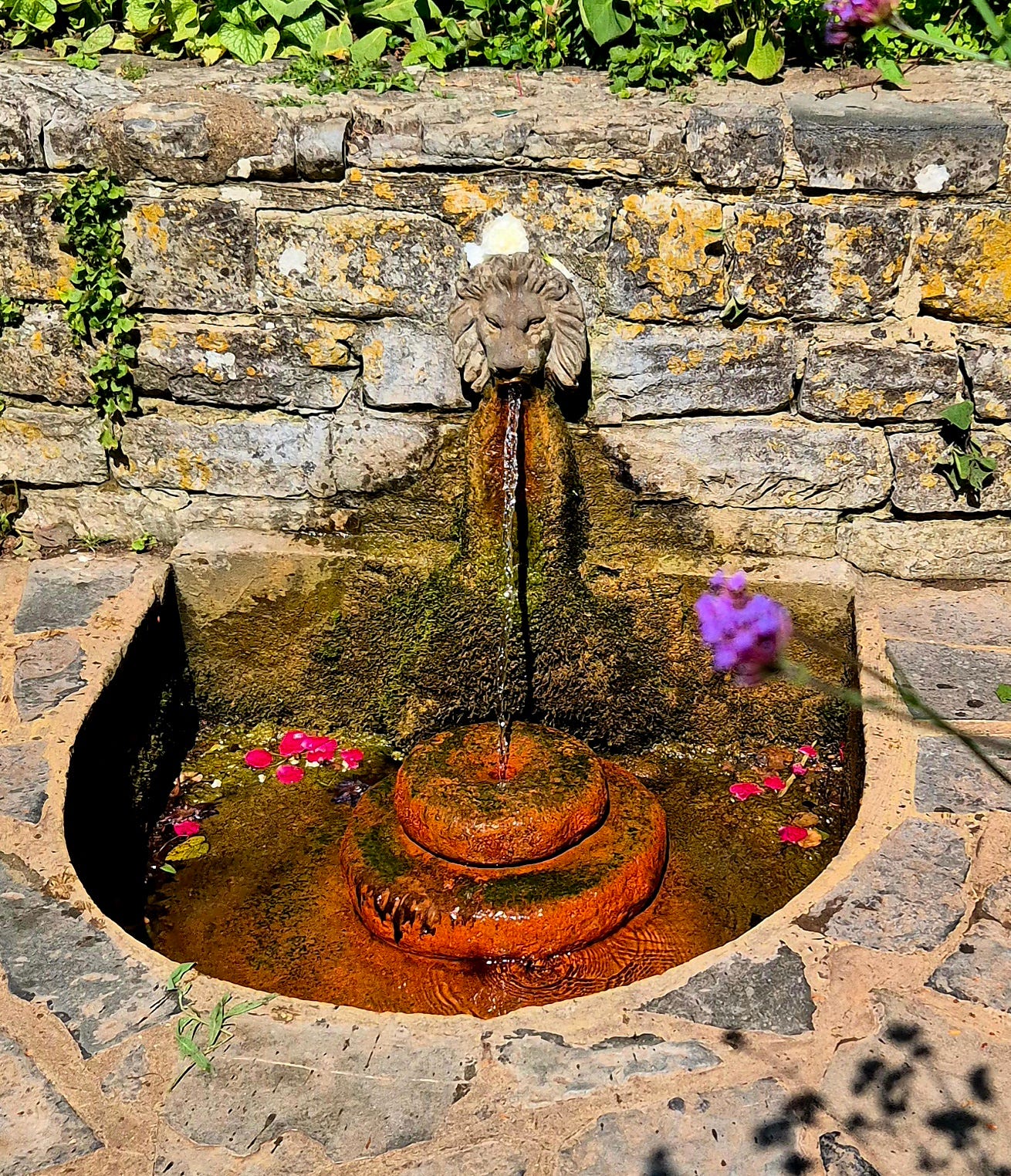
You may heard of Chalice Well in Glastonbury, or visited it while in town. It's a popular tourist attraction set in beautiful gardens, where a spring, rich in iron oxide, flows out a reddish brown and colours the rock over time. Also known as the Red Spring, it's a place of pilgrimage, and the well is ‘dressed’ according to the time of year.
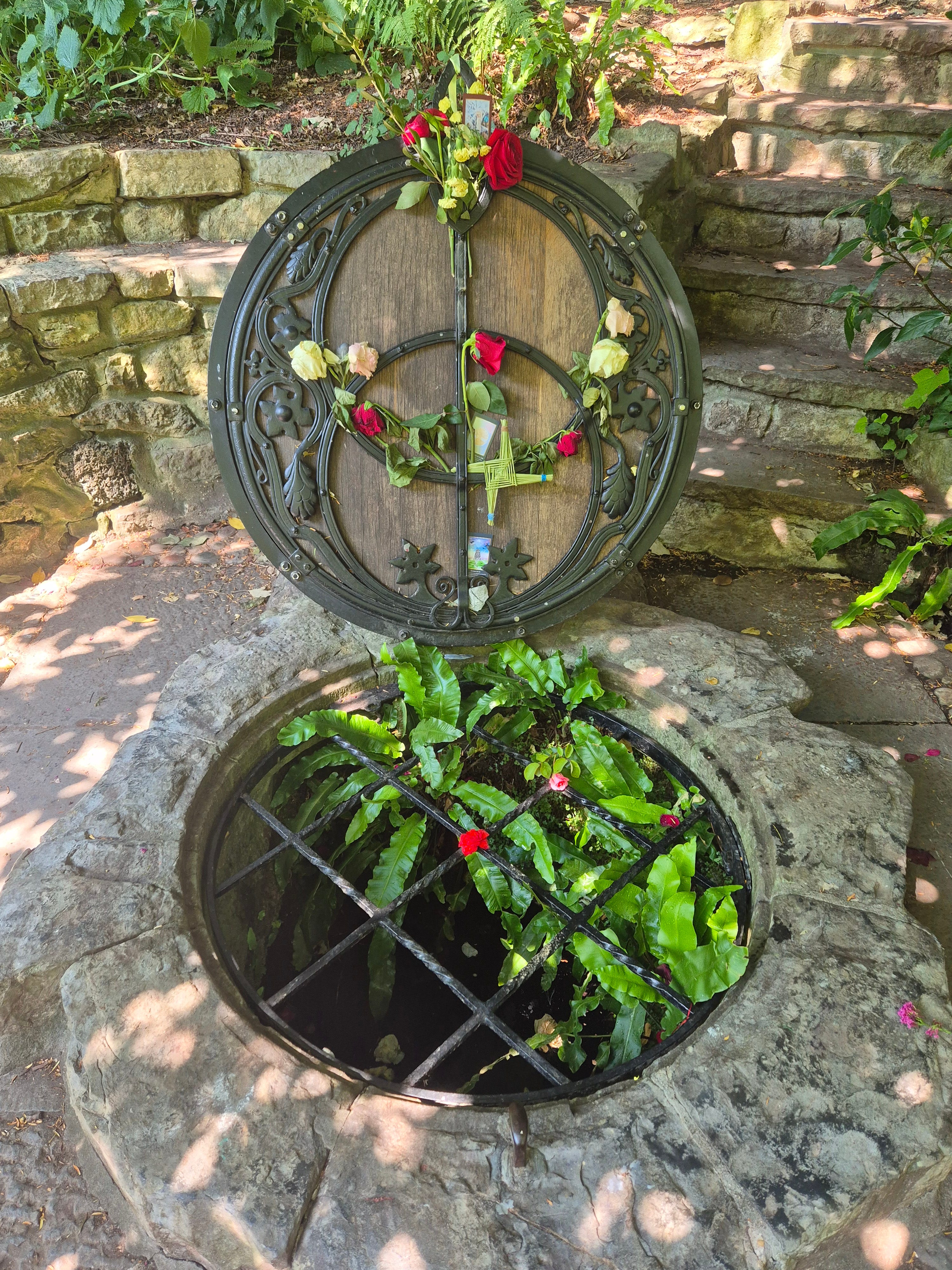
A myth dating back to at least medieval times is that Joseph of Arimathea (a disciple of Christ who was responsible for his burial after the crucifixion) came to Glastonbury, bringing with him the chalice from Christ’s last supper. He is said to have buried the chalice, (also known as the holy grail) somewhere under Chalice Hill, and the waters that sprang from the chalice flow directly to the spring, miraculously stained red with the blood of Christ.
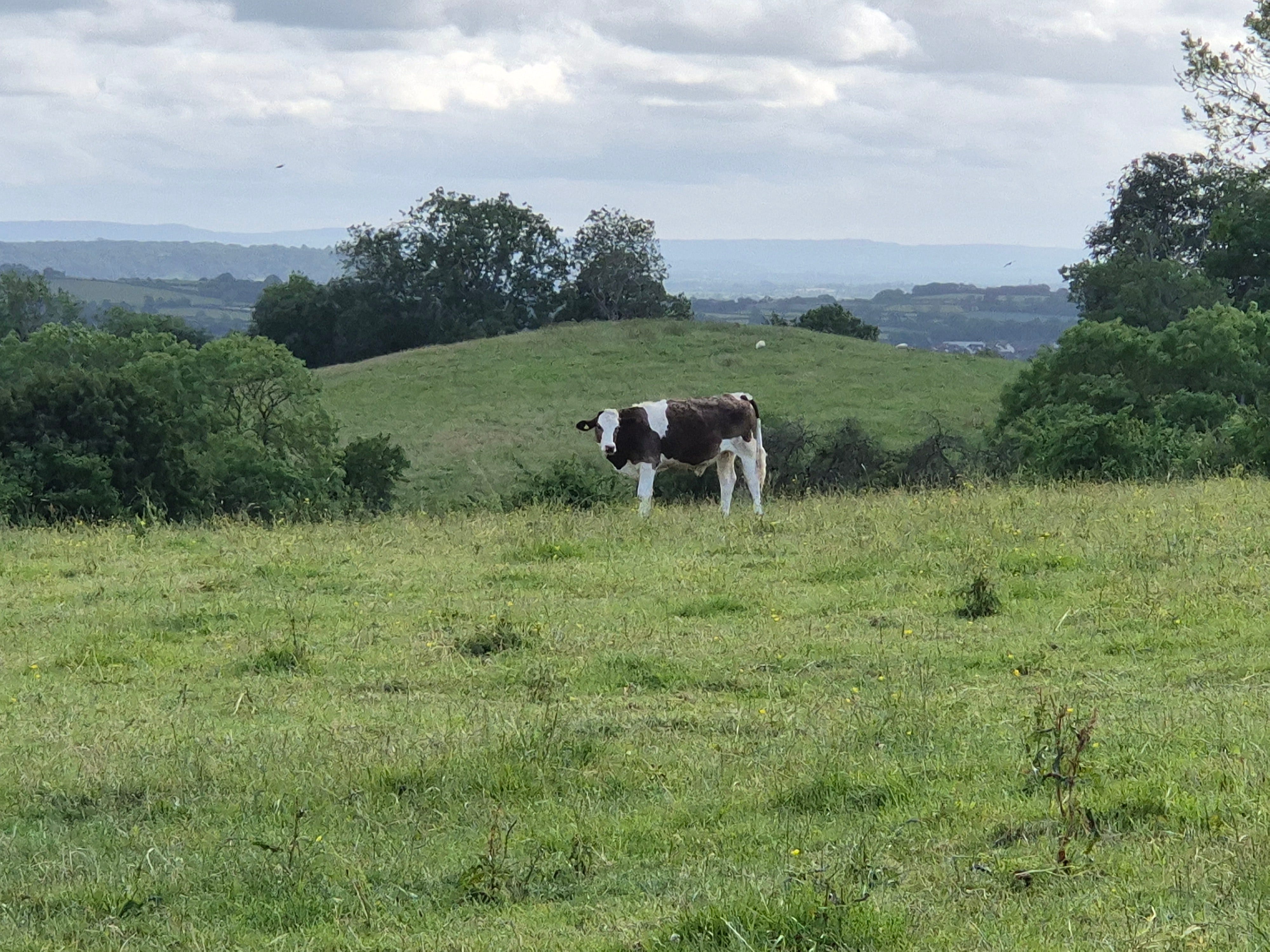
So what about Chalice Hill, where Joseph buried the chalice? Currently the hill is privately owned by a farmer, and is home to a flock of sheep (or occasionally a herd of cows). Although it’s not open to the public, you can see it from various points in the neighbourhood. This is it, behind the cow, taken from a gateway by Bushey Combe:
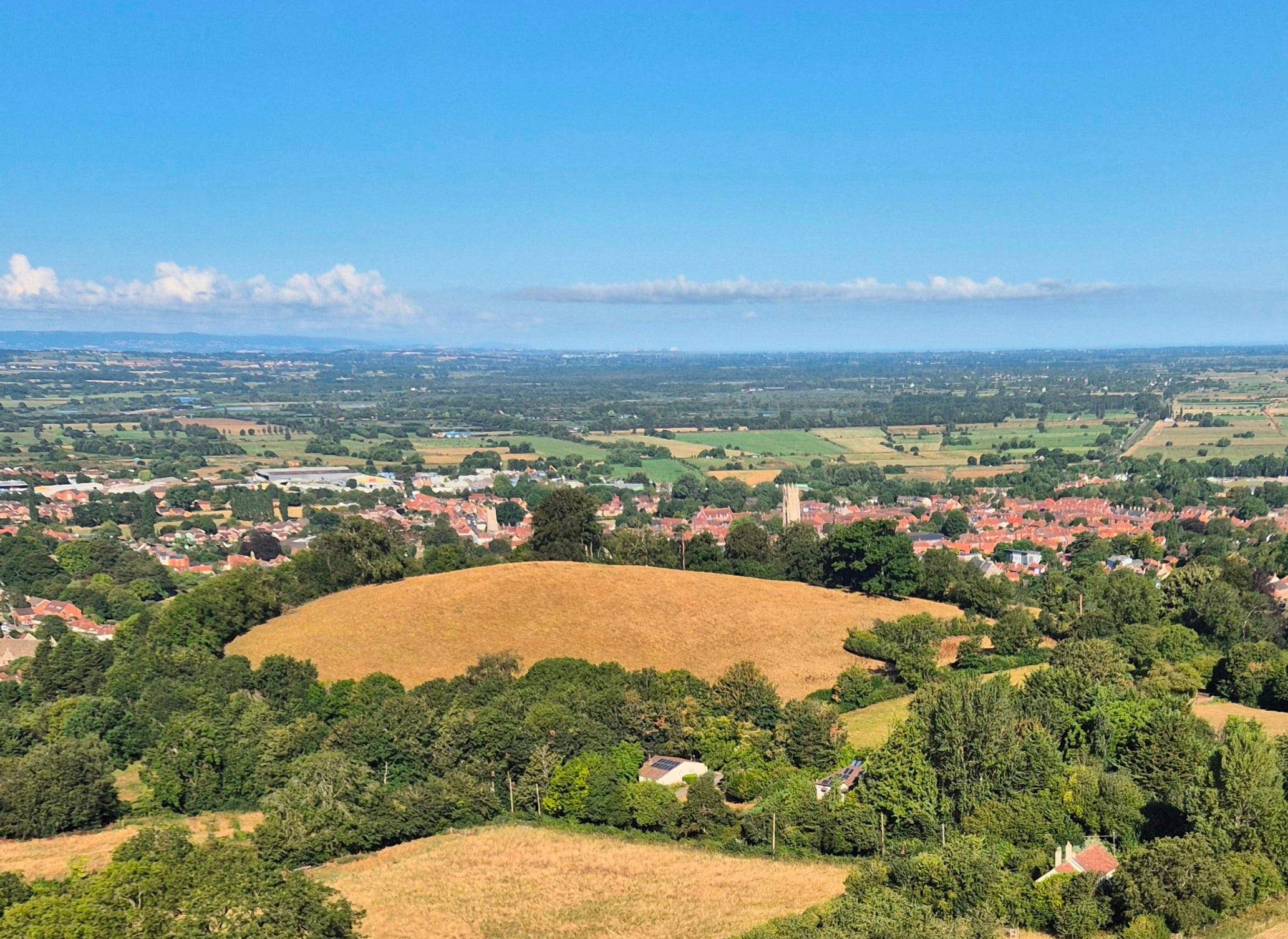
Years before I moved to Glastonbury, at time when mobile phones were mostly used for texting people, I once stood on the tor and saw a flock of sheep form a perfect heart shape on Chalice Hill. It felt strangely magical, though at the time I had no idea that the field was Chalice Hill. This is the view of it from up there, in the heat of the drought, minus sheep…
The ground under the hill is rich in iron oxides - but are there caverns there? And if there are, did Joseph of Arimathea find a way in to hide the precious object he’d carried over from the holy land?
Sadly. it’s far more likely that the story was invented by the monks of Glastonbury Abbey, back in the Dark Ages, to enrich the Abbey by making it a place worthy of pilgrimage.
A 2009 study by Exeter University’s School of Geology traced the source of the Red Spring to a deep aquifer in the lower levels of the Pennard Sands, with water travelling through narrow cracks and fissures to emerge at the Red Spring. So apparently no underground caverns.
Yet I can’t help hoping there might be undiscovered caves in the limestone that caps the hill, even if they’re unlikely to house the holy grail... to add a grain of truth to the legend.